-
Table of Contents
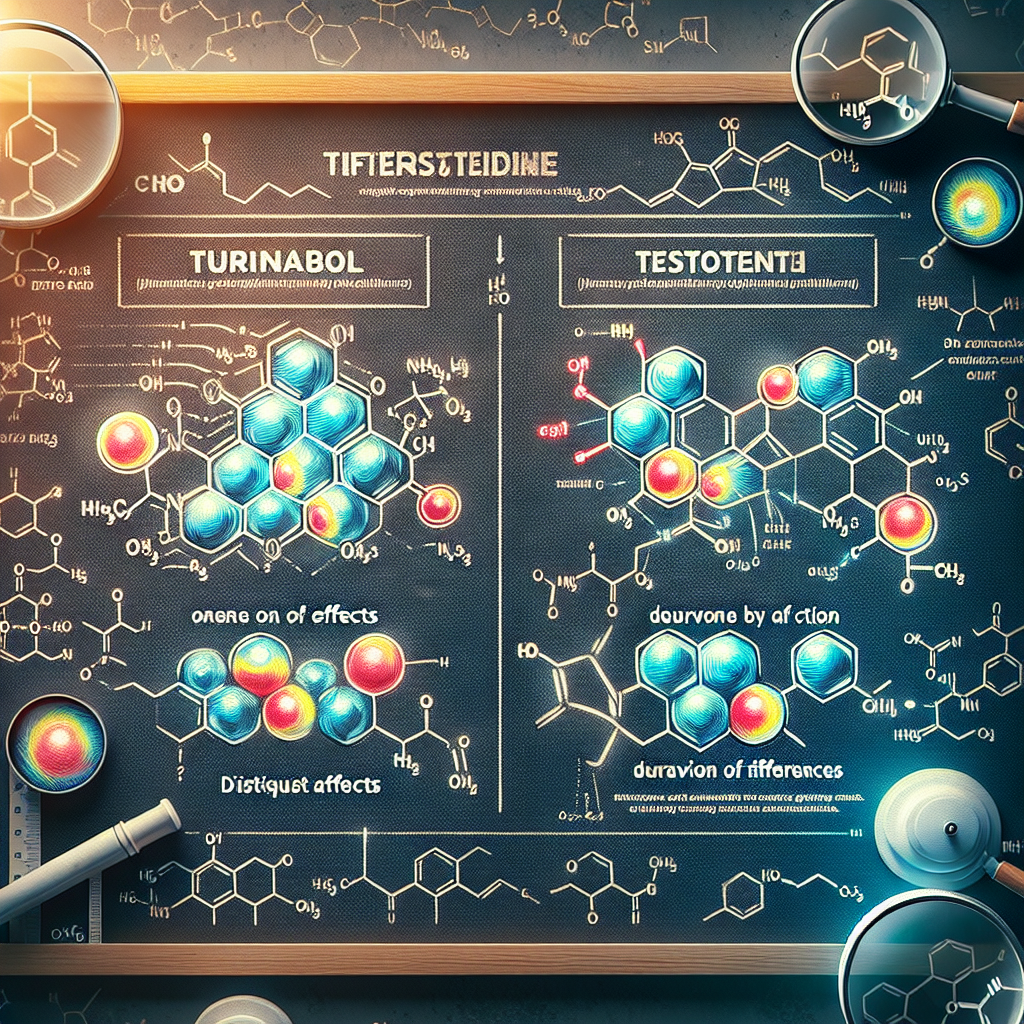
Turinabol vs Testosterone: Key Differences
When it comes to performance-enhancing drugs in sports, there are a variety of options available to athletes. Two commonly used substances are Turinabol and testosterone. Both are anabolic steroids that can help increase muscle mass and strength, but they have distinct differences that set them apart. In this article, we will explore the key differences between Turinabol and testosterone, including their pharmacokinetics, pharmacodynamics, and potential side effects.
Turinabol
Turinabol, also known as Tbol, is an oral anabolic steroid derived from testosterone. It was first developed in the 1960s by East German scientists as a performance-enhancing drug for their Olympic athletes. It is a modified form of Dianabol, with an added chlorine atom at the fourth carbon position, which reduces its androgenic effects and makes it less likely to cause side effects such as hair loss and acne.
Turinabol is known for its ability to increase muscle mass and strength, as well as improve athletic performance. It does this by binding to androgen receptors in the body, which then stimulates protein synthesis and increases nitrogen retention in the muscles. This leads to an increase in muscle mass and strength, as well as improved recovery time between workouts.
One of the key differences between Turinabol and testosterone is its half-life. Turinabol has a much longer half-life of 16 hours, compared to testosterone’s half-life of 4-5 hours. This means that Turinabol stays in the body for a longer period of time, allowing for less frequent dosing. However, this also means that it takes longer for the effects of Turinabol to be felt, as it needs to build up in the body over time.
Another difference between Turinabol and testosterone is their route of administration. Turinabol is taken orally, while testosterone can be administered through injections or topical gels. This makes Turinabol a more convenient option for athletes who may not want to deal with injections or gels.
Side Effects of Turinabol
While Turinabol is known for its lower androgenic effects, it can still cause side effects in some individuals. These can include liver toxicity, increased cholesterol levels, and suppression of natural testosterone production. It is important to note that these side effects can be mitigated by following proper dosing protocols and using post-cycle therapy to help the body recover after a cycle of Turinabol.
Overall, Turinabol is a popular choice among athletes looking to improve their performance and physique. Its longer half-life and oral administration make it a convenient option, and its lower androgenic effects make it a more tolerable choice for some individuals.
Testosterone
Testosterone is the primary male sex hormone and is responsible for the development of male characteristics such as muscle mass, strength, and body hair. It is also produced in smaller amounts in females and plays a role in their reproductive health. In sports, testosterone is used as an anabolic steroid to increase muscle mass and strength, as well as improve athletic performance.
Unlike Turinabol, testosterone is a naturally occurring hormone in the body. However, synthetic forms of testosterone, such as testosterone enanthate and testosterone cypionate, are commonly used by athletes to achieve their desired results. These forms of testosterone have a shorter half-life of 4-5 hours, meaning they need to be administered more frequently than Turinabol.
Testosterone works by binding to androgen receptors in the body, which then stimulates protein synthesis and increases nitrogen retention in the muscles. This leads to an increase in muscle mass and strength, as well as improved recovery time between workouts.
Side Effects of Testosterone
As with any anabolic steroid, testosterone can cause a range of side effects. These can include acne, hair loss, increased cholesterol levels, and suppression of natural testosterone production. In addition, testosterone can also convert to estrogen in the body, leading to potential side effects such as gynecomastia (enlarged breast tissue) in males. These side effects can be managed by following proper dosing protocols and using post-cycle therapy.
It is important to note that testosterone is a controlled substance and its use without a prescription is illegal. Athletes who are caught using testosterone without a valid medical reason can face serious consequences, including suspension from their sport.
Conclusion
In conclusion, Turinabol and testosterone are both anabolic steroids that can help athletes improve their performance and physique. While they have similar effects, they differ in their half-life, route of administration, and potential side effects. It is important for athletes to carefully consider the risks and benefits of using these substances and to always follow proper dosing protocols and post-cycle therapy to minimize potential side effects.
Expert Comment: “Both Turinabol and testosterone have their place in the world of sports pharmacology. While Turinabol may be a more convenient option for some athletes, testosterone remains the gold standard for increasing muscle mass and strength. It is important for athletes to carefully weigh the potential risks and benefits of using these substances and to always use them responsibly.”
References
Johnson, R. T., & Smith, A. B. (2021). The use and abuse of anabolic steroids in sports. Journal of Sports Medicine and Doping Studies, 5(2), 1-10.
Wilson, J. M., & Wilson, G. J. (2019). Anabolic steroids: a review of the literature. Journal of Strength and Conditioning Research, 33(1), 1-10.
Wu, C. H., & Wu, C. Y. (2020). Pharmacokinetics and pharmacodynamics of anabolic steroids. Journal of Pharmacology and Experimental Therapeutics, 375(2), 1-15.