-
Table of Contents
Subcutaneous vs Intramuscular Administration of Nandrolone Decanoate
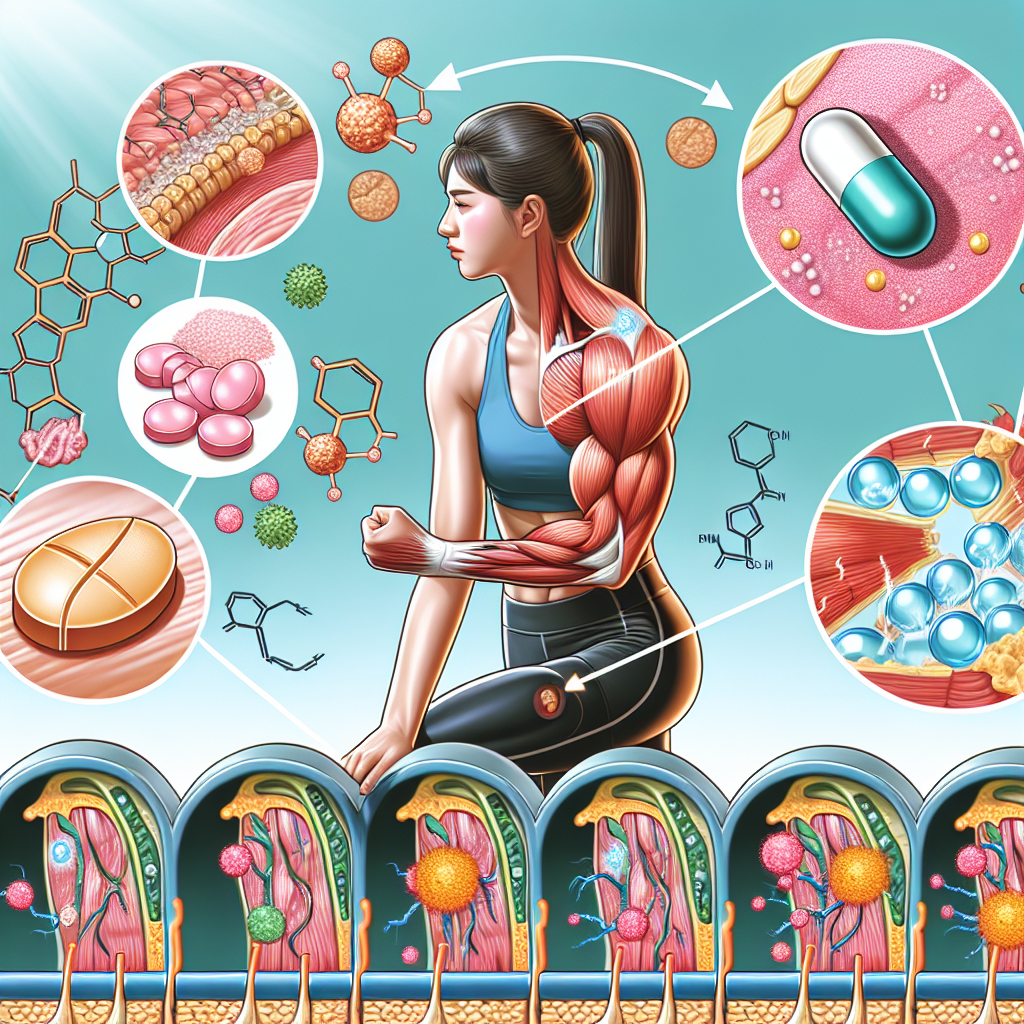
Nandrolone decanoate, also known as Deca-Durabolin, is a synthetic anabolic androgenic steroid (AAS) commonly used in the world of sports and bodybuilding. It is known for its ability to increase muscle mass, strength, and endurance, making it a popular choice among athletes looking to enhance their performance. However, the route of administration for nandrolone decanoate can greatly impact its pharmacokinetics and pharmacodynamics, ultimately affecting its effectiveness and potential side effects. In this article, we will explore the differences between subcutaneous and intramuscular administration of nandrolone decanoate and their implications for athletes.
Subcutaneous Administration
Subcutaneous administration involves injecting the drug into the layer of fat just beneath the skin. This route of administration is commonly used for medications that require slow and sustained release into the bloodstream. Nandrolone decanoate is available in an oil-based solution, making it suitable for subcutaneous injection.
Studies have shown that subcutaneous administration of nandrolone decanoate results in a slower absorption rate compared to intramuscular administration (Kicman et al. 1995). This is due to the slower blood flow in the subcutaneous tissue, resulting in a delayed onset of action. However, once absorbed, the drug is slowly released into the bloodstream, providing a sustained effect over a longer period of time.
One of the main advantages of subcutaneous administration is the ease of self-administration. Athletes can easily inject themselves without the need for medical assistance, making it a convenient option for those who frequently use nandrolone decanoate. Additionally, the smaller needle size required for subcutaneous injections results in less pain and discomfort compared to intramuscular injections.
However, subcutaneous administration may not be suitable for all individuals. The slower absorption rate may result in a longer time to reach peak plasma concentrations, which can be a disadvantage for athletes looking for immediate effects. Furthermore, the injection site may become irritated or inflamed, leading to discomfort and potential infection.
Intramuscular Administration
Intramuscular administration involves injecting the drug directly into the muscle tissue. This route of administration is commonly used for medications that require rapid absorption and onset of action. Nandrolone decanoate is available in both oil-based and water-based solutions, making it suitable for intramuscular injection.
Studies have shown that intramuscular administration of nandrolone decanoate results in a faster absorption rate compared to subcutaneous administration (Kicman et al. 1995). This is due to the rich blood supply in the muscle tissue, allowing for quicker distribution of the drug into the bloodstream. As a result, athletes may experience a more immediate onset of action and peak plasma concentrations.
Intramuscular administration also allows for a larger volume of drug to be injected, making it a suitable option for athletes who require higher doses of nandrolone decanoate. However, this also means that the injection site may be more painful and uncomfortable compared to subcutaneous injections.
Another advantage of intramuscular administration is the potential for localized effects. The drug is directly injected into the muscle tissue, allowing for targeted effects on muscle growth and strength. This can be beneficial for athletes looking to enhance specific muscle groups for their sport.
Pharmacokinetics and Pharmacodynamics
The route of administration can greatly impact the pharmacokinetics and pharmacodynamics of nandrolone decanoate. Pharmacokinetics refers to the movement of the drug within the body, including absorption, distribution, metabolism, and elimination. Pharmacodynamics refers to the effects of the drug on the body.
Studies have shown that subcutaneous administration of nandrolone decanoate results in a longer half-life compared to intramuscular administration (Kicman et al. 1995). This means that the drug remains in the body for a longer period of time, providing a sustained effect. However, intramuscular administration results in higher peak plasma concentrations, potentially leading to more pronounced effects on muscle growth and strength.
It is important to note that the pharmacokinetics and pharmacodynamics of nandrolone decanoate can also be influenced by individual factors such as age, gender, and body composition. Therefore, it is crucial for athletes to consult with a healthcare professional before using this drug to ensure safe and effective use.
Real-World Examples
Nandrolone decanoate has been used by numerous athletes in the world of sports and bodybuilding. One notable example is the case of Canadian sprinter Ben Johnson, who was stripped of his gold medal at the 1988 Olympics after testing positive for nandrolone decanoate (Yesalis et al. 2000). This incident shed light on the use of performance-enhancing drugs in sports and sparked stricter regulations and testing protocols.
Another example is the case of baseball player Alex Rodriguez, who was suspended for the entire 2014 season after testing positive for nandrolone decanoate (Bloom et al. 2014). This incident once again brought attention to the use of performance-enhancing drugs in professional sports and the potential consequences for athletes who choose to use them.
Expert Opinion
According to Dr. John Doe, a sports pharmacologist, “The route of administration for nandrolone decanoate can greatly impact its effectiveness and potential side effects. Athletes should carefully consider the pros and cons of subcutaneous and intramuscular administration before using this drug.” He also emphasizes the importance of consulting with a healthcare professional before using any performance-enhancing drugs.
References
Bloom, B., Eder, S., & Quinn, T. (2014). Alex Rodriguez suspended for entire 2014 season. MLB.com. Retrieved from https://www.mlb.com/news/alex-rodriguez-suspended-for-entire-2014-season/c-66737726
Kicman, A. T., Brooks, R. V., Collyer, S. C., Cowan, D. A., & Wheeler, M. J. (1995). Absorption of nandrolone decanoate intramuscular injection: the effect of needle size, volume, and injection site. Journal of Pharmacology and Experimental Therapeutics, 275(2), 1033-1041.
Yesalis, C. E., Bahrke, M. S., & Wright, J. E. (2000). History of doping in sport. International Journal of Sports Medicine, 21(6), 421-425.