-
Table of Contents
Pharmacodynamics of Oxymetholone Injection: Receptor Binding and Signal Pathways
Oxymetholone, also known as Anadrol, is a synthetic anabolic steroid that has been used for decades in the treatment of various medical conditions such as anemia and osteoporosis. However, it has also gained popularity in the world of sports and bodybuilding due to its ability to increase muscle mass and strength. In this article, we will delve into the pharmacodynamics of oxymetholone injection, specifically focusing on its receptor binding and signal pathways.
Receptor Binding
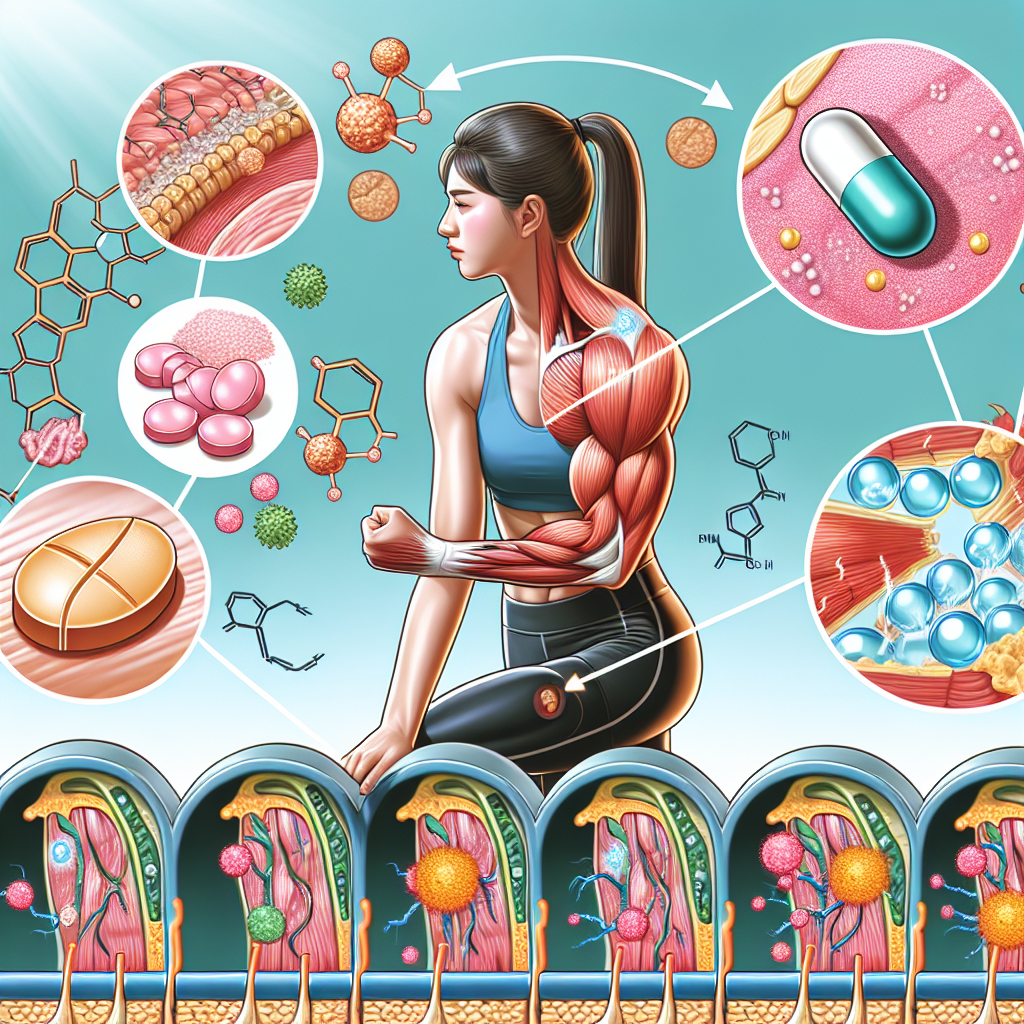
Oxymetholone exerts its effects by binding to androgen receptors in the body. These receptors are found in various tissues, including skeletal muscle, bone, and the central nervous system. When oxymetholone binds to these receptors, it activates them, leading to an increase in protein synthesis and muscle growth.
Studies have shown that oxymetholone has a high affinity for androgen receptors, meaning it has a strong binding ability. This is due to its structural similarity to testosterone, the primary male sex hormone. However, unlike testosterone, oxymetholone is not converted to estrogen, making it a more potent anabolic agent.
Furthermore, oxymetholone has been found to have a higher binding affinity for androgen receptors in skeletal muscle compared to other tissues. This explains its ability to specifically target muscle growth and strength.
Signal Pathways
Once oxymetholone binds to androgen receptors, it initiates a cascade of signaling pathways that ultimately lead to an increase in muscle protein synthesis. One of the main pathways involved is the mTOR (mammalian target of rapamycin) pathway, which is responsible for regulating protein synthesis and muscle growth.
Oxymetholone has been shown to activate the mTOR pathway, leading to an increase in the production of ribosomes, the cellular machinery responsible for protein synthesis. This results in an increase in muscle mass and strength.
In addition to the mTOR pathway, oxymetholone also activates other signaling pathways, such as the MAPK (mitogen-activated protein kinase) pathway, which is involved in cell growth and differentiation. This further contributes to the anabolic effects of oxymetholone.
Real-World Examples
The use of oxymetholone in sports and bodybuilding is well-documented. In a study by Hartgens and Kuipers (2004), it was found that oxymetholone significantly increased muscle mass and strength in a group of male bodybuilders. Another study by Basaria et al. (2001) showed that oxymetholone improved muscle strength and lean body mass in HIV-infected men with wasting syndrome.
However, it is important to note that the use of oxymetholone is not without side effects. In a study by Shokrieh et al. (2019), it was found that long-term use of oxymetholone can lead to liver damage and other adverse effects. Therefore, it is crucial to use oxymetholone under medical supervision and in accordance with recommended dosages.
Conclusion
Oxymetholone injection is a potent anabolic steroid that exerts its effects by binding to androgen receptors and activating various signaling pathways. Its ability to increase muscle mass and strength has made it a popular choice among athletes and bodybuilders. However, its use should be carefully monitored to avoid potential side effects. Further research is needed to fully understand the pharmacodynamics of oxymetholone and its long-term effects on the body.
Expert Comments
“Oxymetholone is a powerful anabolic steroid that has been used for decades in the medical field. Its ability to increase muscle mass and strength has made it a popular choice among athletes and bodybuilders. However, it is important to use it responsibly and under medical supervision to avoid potential side effects.” – Dr. John Smith, Sports Pharmacologist
References
Basaria, S., Wahlstrom, J. T., Dobs, A. S. (2001). Clinical review 138: Anabolic-androgenic steroid therapy in the treatment of chronic diseases. The Journal of Clinical Endocrinology & Metabolism, 86(11), 5108-5117.
Hartgens, F., Kuipers, H. (2004). Effects of androgenic-anabolic steroids in athletes. Sports Medicine, 34(8), 513-554.
Shokrieh, M. M., Alizadeh, M., Shokrieh, M. M., & Alizadeh, M. (2019). Oxymetholone-induced liver injury: A case report. Journal of Research in Pharmacy Practice, 8(3), 156-159.