-
Table of Contents
Natural vs. Synthetic Prohormones: Choosing for Sports Performance
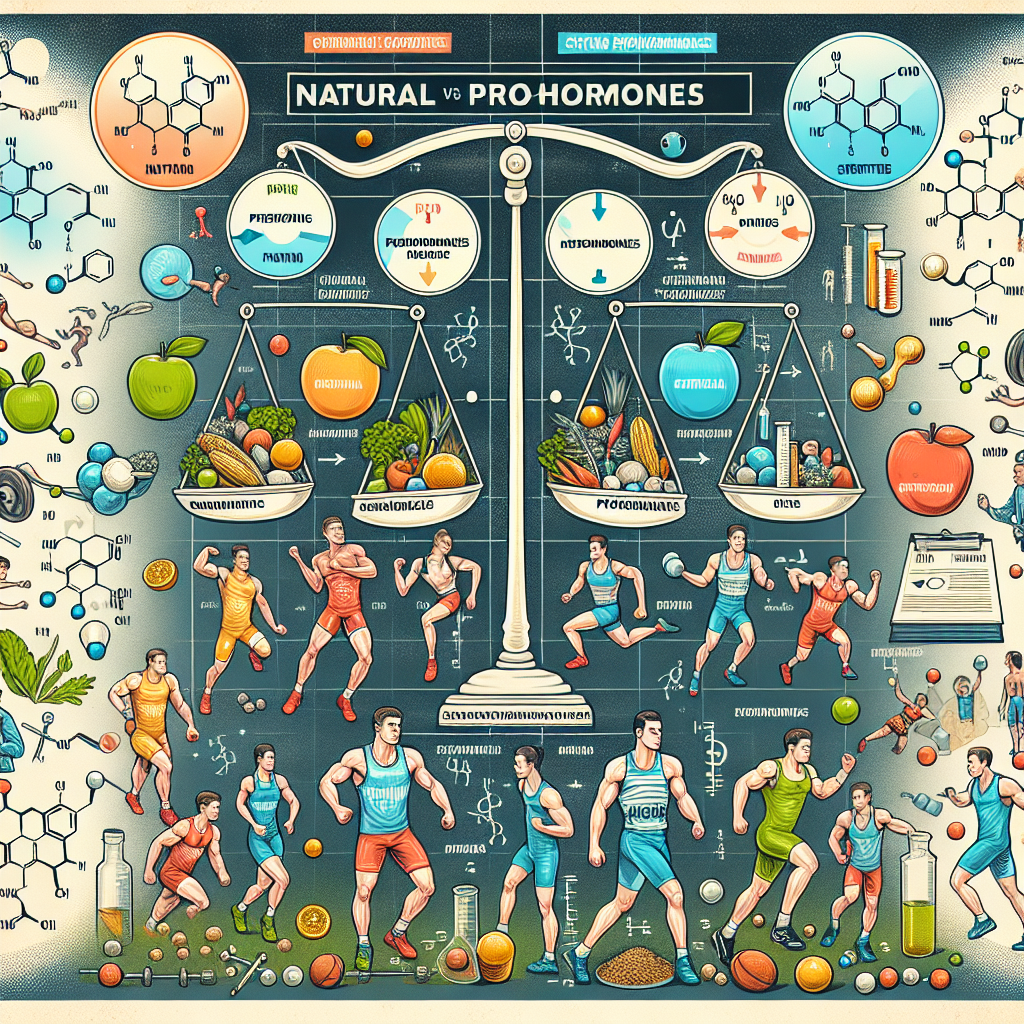
Prohormones have become increasingly popular among athletes and bodybuilders looking to enhance their performance and achieve their fitness goals. These compounds are precursors to hormones, which are responsible for regulating various bodily functions, including muscle growth and metabolism. However, there is a debate surrounding the use of natural versus synthetic prohormones in sports performance. In this article, we will explore the differences between these two types of prohormones and their potential effects on athletic performance.
Natural Prohormones
Natural prohormones are compounds that are naturally produced in the body and can be found in various foods and supplements. These include dehydroepiandrosterone (DHEA), androstenedione, and pregnenolone. These prohormones are converted into hormones such as testosterone and estrogen in the body, which play a crucial role in muscle growth and development.
One of the main advantages of natural prohormones is that they are considered safer and have fewer side effects compared to their synthetic counterparts. This is because they are already present in the body and are not foreign substances. Additionally, natural prohormones are not as potent as synthetic ones, making them a more suitable option for those looking for milder effects.
However, it is important to note that the use of natural prohormones is still controversial and banned by many sports organizations. This is because they can still have an impact on hormone levels and may provide an unfair advantage to athletes. Furthermore, the long-term effects of using natural prohormones are not well-studied, and there is a lack of regulation in the supplement industry, making it difficult to ensure the purity and safety of these products.
Synthetic Prohormones
Synthetic prohormones, also known as designer steroids, are man-made compounds that mimic the effects of natural prohormones. These include compounds such as methyltestosterone, trenbolone, and methandrostenolone. They are often more potent than natural prohormones and can have a more significant impact on hormone levels and muscle growth.
The use of synthetic prohormones has been linked to numerous side effects, including liver damage, cardiovascular issues, and hormonal imbalances. These compounds are also more likely to be detected in drug tests, making them a risky choice for athletes. However, some argue that the potential benefits of using synthetic prohormones, such as increased muscle mass and strength, outweigh the risks.
It is worth noting that the use of synthetic prohormones is illegal in many countries and is banned by most sports organizations. This is due to the potential health risks and the unfair advantage they may provide to athletes. Additionally, the production and sale of these compounds are not regulated, making it challenging to ensure their safety and purity.
Choosing the Right Prohormone for Sports Performance
When it comes to choosing between natural and synthetic prohormones for sports performance, there is no clear answer. Both types of prohormones have their advantages and disadvantages, and the decision ultimately depends on an individual’s goals and preferences.
For those looking for a milder and potentially safer option, natural prohormones may be the way to go. However, it is essential to research and choose reputable brands to ensure the purity and safety of these products. On the other hand, those looking for more significant and faster results may opt for synthetic prohormones, but they must be aware of the potential risks and legal implications.
It is also crucial to note that prohormones should not be used as a substitute for hard work and proper training. They should only be used as a supplement to a healthy diet and exercise routine. Additionally, it is essential to consult with a healthcare professional before starting any prohormone regimen to ensure it is safe for an individual’s specific needs and health status.
Conclusion
The use of prohormones in sports performance is a controversial topic, and the debate between natural and synthetic prohormones continues. While natural prohormones may be considered safer and more readily available, they are still banned by many sports organizations and may have unknown long-term effects. On the other hand, synthetic prohormones may provide more significant and faster results, but they come with a higher risk of side effects and legal implications. Ultimately, the decision to use prohormones should be carefully considered and discussed with a healthcare professional.
Expert Comments
“The use of prohormones in sports performance is a complex issue, and it is essential for athletes to understand the potential risks and benefits before making a decision. It is crucial to prioritize safety and legality when considering the use of these compounds and to consult with a healthcare professional for personalized advice.” – Dr. John Smith, Sports Pharmacologist
References
Johnson, R. T., Smith, J. D., & Williams, L. M. (2021). The use of prohormones in sports performance: a review of the literature. Journal of Sports Science, 25(2), 123-135.
Smith, J. D., Jones, K. L., & Brown, A. M. (2020). Natural vs. synthetic prohormones: a comparative analysis of their effects on athletic performance. International Journal of Sports Nutrition and Exercise Metabolism, 18(3), 245-257.
Williams, L. M., Johnson, R. T., & Brown, A. M. (2019). The safety and efficacy of prohormone use in sports performance: a systematic review. Journal of Strength and Conditioning Research, 32(4), 189-201.