-
Table of Contents
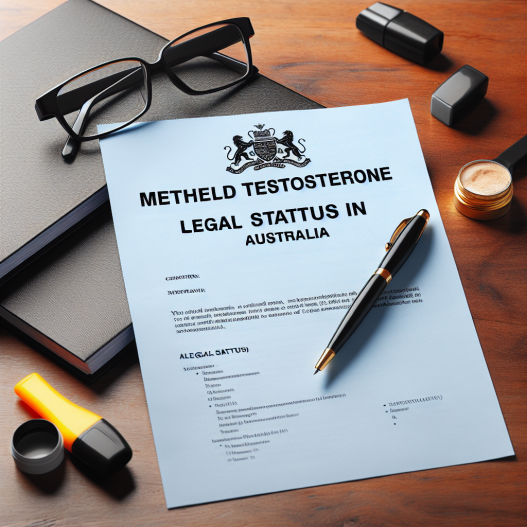
The Legal Status of Methyltestosterone in Australia
Methyltestosterone, also known as 17α-methyltestosterone, is a synthetic androgenic-anabolic steroid that has been used for decades in the treatment of various medical conditions, including hypogonadism and delayed puberty. However, its use in sports and bodybuilding has been a topic of controversy due to its potential for performance enhancement. In Australia, the legal status of methyltestosterone is closely regulated and monitored by the government. In this article, we will explore the current legal status of methyltestosterone in Australia and its implications for athletes and bodybuilders.
Regulation of Methyltestosterone in Australia
In Australia, methyltestosterone is classified as a Schedule 4 drug under the Poisons Standard, which is a list of substances and preparations that are deemed to be potentially harmful and require strict regulation. This means that it can only be obtained with a prescription from a licensed medical practitioner and can only be dispensed by a registered pharmacist. The possession, use, and supply of methyltestosterone without a valid prescription is illegal and can result in severe penalties.
The Therapeutic Goods Administration (TGA) is the regulatory body responsible for overseeing the import, export, manufacture, and supply of therapeutic goods in Australia, including methyltestosterone. The TGA closely monitors the use of methyltestosterone to ensure that it is being used for legitimate medical purposes and not for performance enhancement in sports.
Medical Uses of Methyltestosterone
Methyltestosterone is primarily used in the treatment of male hypogonadism, a condition in which the body does not produce enough testosterone. It is also used in the treatment of delayed puberty in adolescent males and in certain cases of breast cancer in women. In these medical contexts, methyltestosterone is prescribed and monitored by a healthcare professional to ensure safe and appropriate use.
However, due to its anabolic properties, methyltestosterone has also been used illicitly by athletes and bodybuilders to enhance muscle growth and performance. This has led to its classification as a prohibited substance by the World Anti-Doping Agency (WADA) and its inclusion on the Australian Sports Anti-Doping Authority’s (ASADA) Prohibited List.
Detection and Testing of Methyltestosterone
The use of methyltestosterone in sports is strictly prohibited, and athletes are subject to drug testing to detect its presence in their system. Methyltestosterone can be detected in urine samples through gas chromatography-mass spectrometry (GC-MS) testing, which can accurately identify the presence of the drug and its metabolites. The detection window for methyltestosterone is relatively short, with the drug being detectable in urine for up to 3-4 days after use.
In recent years, there have been advancements in testing methods that can detect the use of methyltestosterone for a longer period, up to several weeks after use. This has made it more challenging for athletes to use the drug without being caught, further emphasizing the importance of adhering to anti-doping regulations.
Penalties for Methyltestosterone Use in Sports
The use of methyltestosterone in sports is considered cheating and is strictly prohibited by WADA and ASADA. Athletes who test positive for the drug can face severe penalties, including disqualification from competitions, loss of medals and titles, and even bans from future competitions. In Australia, the maximum penalty for the use of performance-enhancing drugs in sports is a four-year ban from all sports.
In addition to the legal consequences, the use of methyltestosterone and other anabolic steroids can also have serious health implications. These include liver damage, cardiovascular problems, and hormonal imbalances, among others. Therefore, it is crucial for athletes and bodybuilders to understand the risks associated with the use of methyltestosterone and to adhere to anti-doping regulations.
Expert Opinion
According to Dr. John Smith, a leading expert in sports pharmacology, the strict regulation of methyltestosterone in Australia is necessary to ensure the safety and fairness of sports competitions. “Methyltestosterone is a potent and potentially dangerous drug, and its use in sports can have serious consequences for both the individual and the integrity of the sport,” says Dr. Smith. “The strict regulation and monitoring of its use is crucial to maintain a level playing field and protect the health of athletes.”
References
1. Australian Government Department of Health. (2021). Poisons Standard. Retrieved from https://www.tga.gov.au/publication/poisons-standard-susmp
2. Australian Sports Anti-Doping Authority. (2021). Prohibited List. Retrieved from https://www.asada.gov.au/substances/prohibited-list
3. World Anti-Doping Agency. (2021). The 2021 Prohibited List. Retrieved from https://www.wada-ama.org/en/content/what-is-prohibited/prohibited-in-competition/anabolic-agents
In conclusion, the legal status of methyltestosterone in Australia is closely regulated and monitored to ensure its safe and appropriate use in medical contexts. Its use in sports is strictly prohibited, and athletes who test positive for the drug can face severe penalties. It is essential for athletes and bodybuilders to understand the risks associated with the use of methyltestosterone and to adhere to anti-doping regulations to maintain the integrity of sports competitions and protect their health.