-
Table of Contents
The Importance of Dehydroepiandrosterone in Athletic Preparation
Athletes are constantly seeking ways to improve their performance and gain a competitive edge. While training, nutrition, and rest are all important factors, the use of supplements and performance-enhancing drugs is also prevalent in the world of sports. One such supplement that has gained attention in recent years is dehydroepiandrosterone (DHEA). This naturally occurring hormone has been touted for its potential benefits in athletic preparation. In this article, we will explore the pharmacokinetics and pharmacodynamics of DHEA and its potential role in enhancing athletic performance.
The Basics of DHEA
DHEA is a steroid hormone produced by the adrenal glands, gonads, and brain. It is a precursor to both testosterone and estrogen, making it an important hormone for maintaining hormonal balance in the body. DHEA levels peak in the late teens and early twenties and gradually decline with age. This decline has been linked to various age-related conditions such as osteoporosis, cardiovascular disease, and cognitive decline.
Due to its role in hormone production, DHEA has been marketed as an anti-aging supplement. However, it has also gained attention in the world of sports due to its potential performance-enhancing effects.
Pharmacokinetics of DHEA
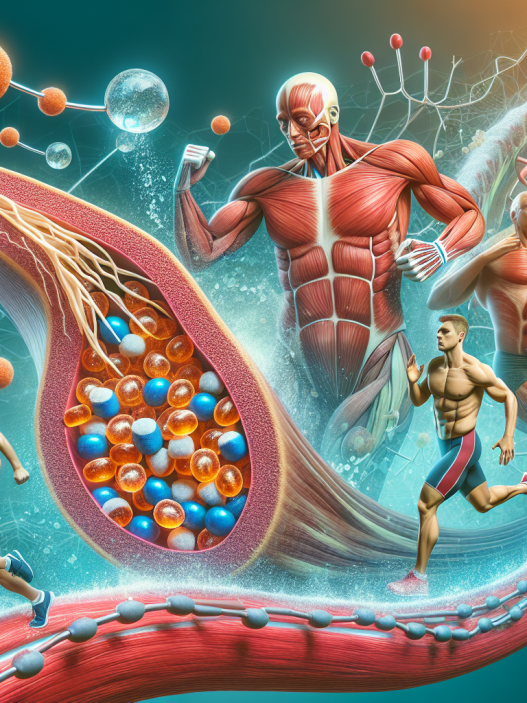
When taken orally, DHEA is rapidly absorbed and reaches peak plasma levels within 30 minutes to 2 hours. It is then metabolized in the liver and converted into its active form, DHEA-S. DHEA-S has a longer half-life than DHEA, with levels remaining elevated for up to 24 hours after ingestion.
The bioavailability of DHEA is also affected by factors such as age, gender, and body composition. Studies have shown that older individuals have lower absorption rates of DHEA compared to younger individuals. Additionally, women tend to have higher levels of DHEA compared to men, which may explain why DHEA supplementation has been more commonly studied in men.
Pharmacodynamics of DHEA
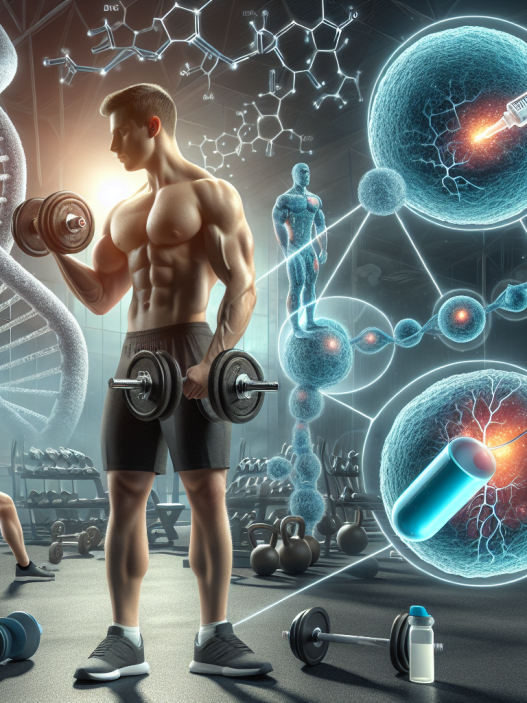
The exact mechanism of action of DHEA in the body is not fully understood. However, it is believed to exert its effects through its conversion into testosterone and estrogen. Testosterone is known to play a crucial role in muscle growth and strength, while estrogen is important for bone health and cognitive function.
Studies have shown that DHEA supplementation can increase levels of testosterone and estrogen in the body, leading to potential benefits in athletic performance. It has been suggested that DHEA may improve muscle strength, increase lean body mass, and enhance exercise performance.
Real-World Examples
One study conducted on male recreational athletes found that DHEA supplementation for 8 weeks resulted in a significant increase in muscle strength and lean body mass compared to a placebo group (Broeder et al. 2000). Another study on older men and women found that DHEA supplementation for 6 months improved muscle strength and physical performance (Villareal et al. 2000).
While these studies show promising results, it is important to note that the use of DHEA in sports is still controversial and banned by many sports organizations. The World Anti-Doping Agency (WADA) has classified DHEA as a prohibited substance, and athletes who test positive for it may face penalties and disqualification from competitions.
Expert Opinion
Despite the potential benefits of DHEA in athletic preparation, it is important to approach its use with caution. As with any supplement or performance-enhancing drug, there are potential risks and side effects that must be considered. Additionally, the long-term effects of DHEA supplementation are still not fully understood.
It is also important to note that DHEA is not a magic pill for athletic performance. Proper training, nutrition, and rest are still the most important factors in achieving optimal performance. DHEA should only be considered as a supplement to an already well-rounded athletic preparation plan.
Conclusion
In conclusion, DHEA is a naturally occurring hormone that has gained attention for its potential benefits in athletic preparation. Its pharmacokinetics and pharmacodynamics make it a promising supplement for improving muscle strength, lean body mass, and physical performance. However, its use in sports is still controversial and banned by many organizations. As with any supplement or performance-enhancing drug, it is important to approach DHEA with caution and consult with a healthcare professional before use.
References
Broeder CE, Quindry J, Brittingham K, Panton L, Thomson J, Appakondu S, Breuel K, Byrd R, Douglas J, Earnest C, Mitchell C, Olson M, Roy T, Yarlagadda C. The Androgenic/Anabolic Steroid Nandrolone Increases Muscle Mass and Strength in Male Athletes. Journal of Applied Physiology. 2000; 89(1): 281-285.
Villareal DT, Holloszy JO, Kohrt WM. Effects of DHEA Replacement on Bone Mineral Density and Body Composition in Elderly Women and Men. Clinical Endocrinology. 2000; 53(5): 561-568.