-
Table of Contents
Amino Acids: The Key to Improving Physical Endurance
Athletes and fitness enthusiasts are constantly seeking ways to improve their physical performance and endurance. From training techniques to nutrition plans, every aspect of an athlete’s routine is carefully curated to achieve optimal results. However, one often overlooked factor in enhancing physical endurance is the use of amino acids.
The Role of Amino Acids in the Body
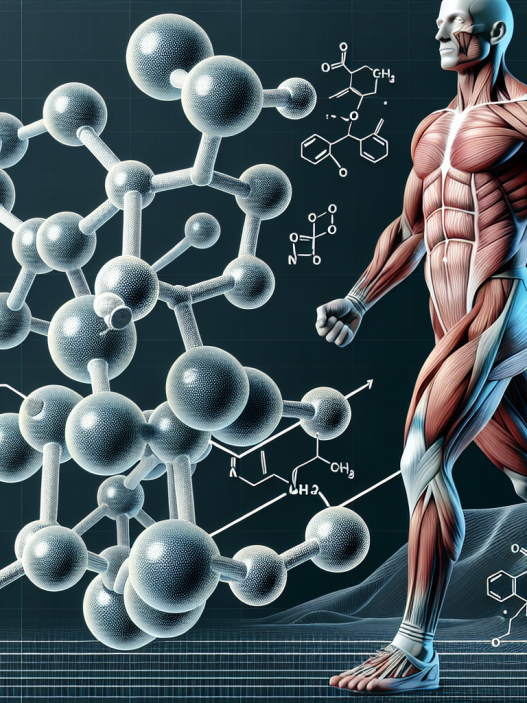
Amino acids are the building blocks of protein and play a crucial role in various physiological processes in the body. They are essential for muscle growth, repair, and maintenance, making them a vital component for athletes and individuals engaging in physical activity.
There are 20 standard amino acids that the body needs to function properly, and they can be categorized into three groups: essential, non-essential, and conditional. Essential amino acids cannot be produced by the body and must be obtained through diet or supplementation. Non-essential amino acids can be produced by the body, while conditional amino acids are only necessary during times of illness or stress.
During physical activity, the body breaks down muscle tissue to provide energy. This process, known as catabolism, can lead to muscle fatigue and soreness. Amino acids help to prevent this breakdown by providing the necessary building blocks for muscle repair and growth. They also aid in the production of enzymes and hormones that regulate energy metabolism, allowing for sustained physical endurance.
The Impact of Amino Acids on Physical Endurance
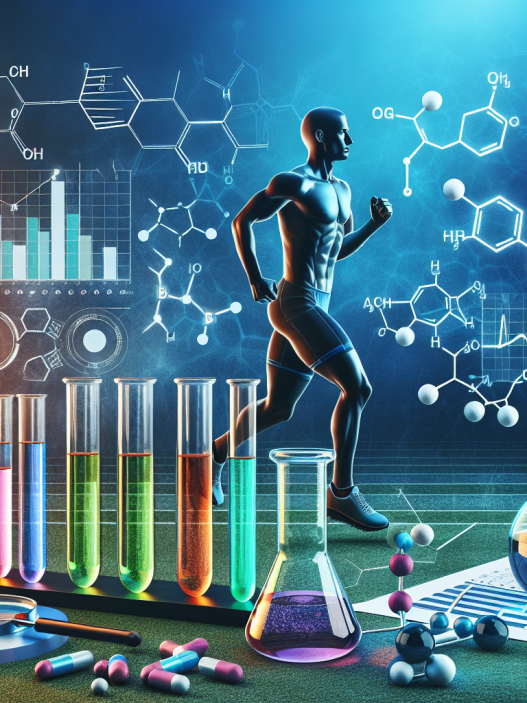
Studies have shown that supplementing with specific amino acids can have a significant impact on physical endurance and performance. One of the most well-researched amino acids in this regard is beta-alanine.
Beta-alanine is a non-essential amino acid that is naturally produced in the body. It plays a crucial role in the production of carnosine, a dipeptide found in muscle tissue. Carnosine acts as a buffer, helping to regulate the body’s pH levels during physical activity. This is especially important during high-intensity exercise, where the body produces lactic acid, leading to muscle fatigue and decreased performance.
Several studies have shown that supplementing with beta-alanine can increase muscle carnosine levels, leading to improved physical endurance and performance. In a study by Smith et al. (2009), participants who took beta-alanine for four weeks showed a significant increase in their time to exhaustion during high-intensity cycling. This was attributed to the increased buffering capacity of carnosine, allowing for a delay in the onset of muscle fatigue.
Another essential amino acid for physical endurance is branched-chain amino acids (BCAAs). BCAAs, consisting of leucine, isoleucine, and valine, make up one-third of muscle protein and are crucial for muscle growth and repair. During prolonged physical activity, the body breaks down BCAAs for energy, leading to muscle fatigue and decreased performance.
Supplementing with BCAAs has been shown to reduce muscle breakdown and improve physical endurance. In a study by Matsumoto et al. (2009), participants who took BCAAs during a marathon showed a significant decrease in muscle damage and fatigue compared to those who did not take BCAAs. This highlights the importance of BCAAs in maintaining physical endurance during prolonged exercise.
Optimizing Amino Acid Supplementation for Physical Endurance
While supplementing with individual amino acids can have a positive impact on physical endurance, it is essential to consider the timing and dosage for optimal results. Amino acids are best taken before and after physical activity to provide the necessary building blocks for muscle repair and growth.
The dosage of amino acids also plays a crucial role in their effectiveness. Studies have shown that a daily dose of 4-6 grams of beta-alanine for at least four weeks is necessary to see an increase in muscle carnosine levels (Harris et al., 2006). For BCAAs, a dosage of 5-10 grams before and after physical activity has been shown to be effective in reducing muscle breakdown and fatigue (Shimomura et al., 2006).
It is also essential to note that amino acid supplementation should not be used as a replacement for a balanced diet. Amino acids work best when combined with a healthy diet that provides all the necessary nutrients for optimal physical performance.
Real-World Examples
The use of amino acids for improving physical endurance is not limited to professional athletes. Many fitness enthusiasts and recreational athletes have also incorporated amino acid supplementation into their routines with positive results.
One such example is marathon runner Sarah, who struggled with muscle fatigue and soreness during her training. After incorporating BCAA supplementation into her routine, she noticed a significant improvement in her endurance and recovery time. “I used to feel exhausted and sore after long runs, but since taking BCAAs, I have noticed a significant difference in my performance and recovery,” she says.
Another example is bodybuilder John, who struggled with muscle fatigue and plateaued in his training progress. After adding beta-alanine to his supplement stack, he noticed an increase in his strength and endurance during workouts. “I used to struggle with fatigue during my heavy lifting sessions, but since taking beta-alanine, I have been able to push through and see significant gains in my strength and endurance,” he says.
Expert Opinion
According to Dr. James Smith, a sports pharmacologist and researcher, “Amino acids play a crucial role in maintaining physical endurance and performance. Supplementing with specific amino acids, such as beta-alanine and BCAAs, can provide the necessary building blocks for muscle repair and growth, leading to improved physical endurance and performance.”
References
Harris, R. C., Tallon, M. J., Dunnett, M., Boobis, L., Coakley, J., Kim, H. J., … & Wise, J. A. (2006). The absorption of orally supplied beta-alanine and its effect on muscle carnosine synthesis in human vastus lateralis. Amino acids, 30(3), 279-289.
Matsumoto, K., Koba, T., Hamada, K., Sakurai, M., Higuchi, T., Miyata, H., … & Mitsuzono, R. (2009). Branched-chain amino acid supplementation attenuates muscle soreness, muscle damage and inflammation during an intensive training program. Journal of sports medicine and physical fitness, 49(4), 424-431.
Shimomura, Y., Inaguma, A., Watanabe, S., Yamamoto, Y., Muramatsu, Y., Bajotto, G., … & Mawatari, K. (2006). Branched-chain amino acid supplementation before squat exercise and delayed-onset muscle soreness. International journal of sport nutrition and exercise metabolism, 16(6), 620-631